What a Church Board Should Check Before Renewing Insurance
Four questions a board should ask before signing off on another year of coverage.
September 2, 2026 · 4 min read
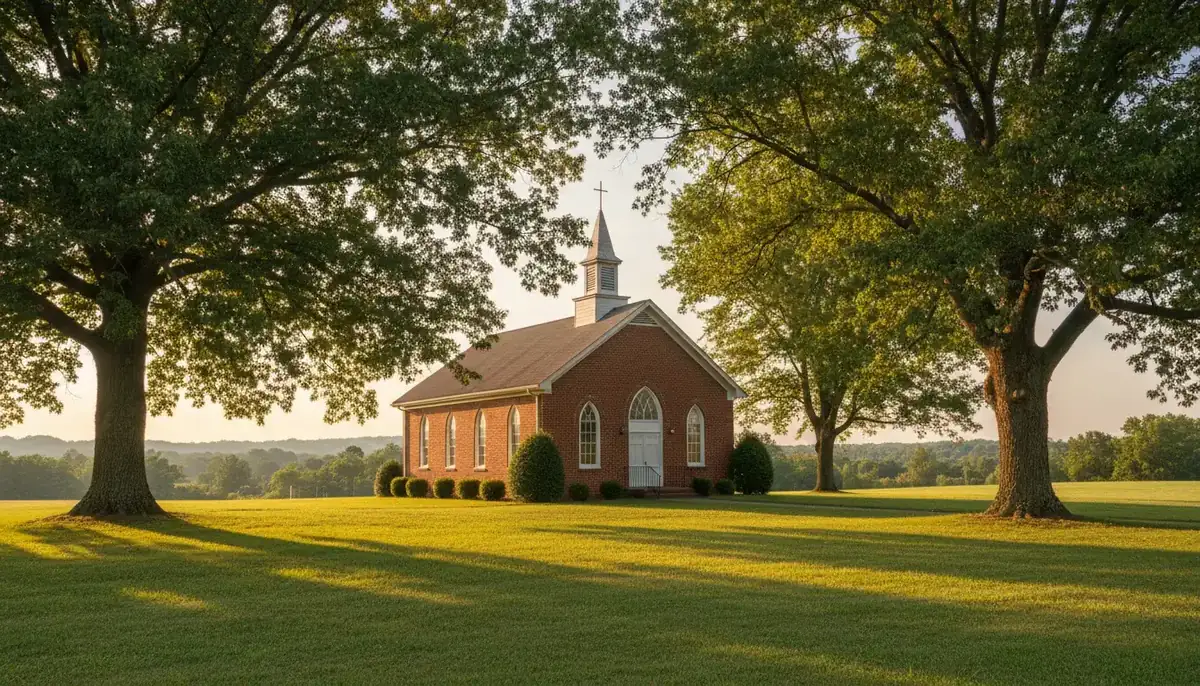
Renewal usually shows up as a folder in the church mailbox a few weeks before the policy expires, and most boards sign off on it the same way they approve the minutes: quickly, and without much discussion. That's fine most years. But a policy that renews on autopilot can quietly fall behind what the church actually needs, especially as a building ages or a congregation grows.
Who's protected when a volunteer makes the wrong call
Church boards are made up of volunteers: elders, deacons, trustees, whoever your bylaws call them. They vote on budgets, hire and fire staff, approve building projects, and settle disputes, all without pay and usually without formal training in the legal side of running an organization. If a decision made in good faith gets challenged later, whether that's a hiring dispute, a misused fund, or a disagreement over how a bequest was spent, directors and officers liability coverage is what stands behind them. Ask specifically whether your D&O coverage extends to every volunteer board member, not just paid staff, and whether it covers legal defense costs even when a claim is eventually dismissed. A defense against a claim that goes nowhere still costs real money.
What it would cost to rebuild, not what the building is worth
A lot of church buildings have been standing for decades, and the number attached to them on a policy can drift out of date if nobody revisits it. Two figures matter here and they're not the same thing. Market value is roughly what the property would sell for. Replacement cost is what it would actually cost today to rebuild the sanctuary, the fellowship hall, and everything inside them, at current labor and materials prices. If your policy is written on market value, or on a replacement figure that hasn't been updated in years, a total loss could leave the church short of what it needs to rebuild, right when it needs every dollar it can get.
Offerings and the people who count them
Every church handles cash, and every church relies on volunteers to count it. Theft of money and securities coverage is built for exactly that situation: money going missing between the plate and the bank, whether through an outside theft or an inside one. Coverage is only half the picture, though. A board should be able to answer some basic questions about how offerings are actually handled.
- Are at least two unrelated people present every time offerings are counted?
- Is the money moved to a secure location and deposited promptly, rather than held overnight?
- Is there a simple written record of who counted, when, and how much?
None of that is about distrust. It's about making sure nobody, including the people counting, is ever the only one who could explain where the money went.
General liability beyond the board room
Churches host far more than Sunday services: potlucks, vacation Bible school, funerals, weddings, and outside groups renting the fellowship hall on a Tuesday night. Personal injury liability and medical injury liability are the coverages that respond when someone is hurt on church property or by a church activity, from a fall in the parking lot to a minor injury during a youth event. These are standard parts of a church liability package, and the same renewal conversation that touches D&O should touch these too. Are the limits still reasonable for how much the building actually gets used now, compared to when the policy was first written years ago?
If the church has paid staff, workers compensation sits alongside all of this, often placed through a carrier like KESA that specializes in that coverage for churches. And for understanding congregational risk specifically, look at who built their program around it in the first place. Brotherhood Mutual and GuideOne both write dedicated church insurance, with claims teams and resources built specifically for churches rather than a commercial form repurposed from something else entirely.
Wind, hail, and water: read the terms, not just the total
Fire coverage tends to get the most attention because it's the most dramatic loss to imagine. But in Kentucky, wind, hail, and water are far more likely to be the claim a church actually files, from a storm-damaged roof to water finding its way in around flashing that's failed. It's worth asking directly whether those perils are covered on the same terms as fire, or whether they carry a separate deductible, a lower payout, or exclusions that only surface when a claim is filed. That's not a question anyone wants to be answering for the first time after a storm.
Reynolds Insurance Group has worked with church boards on exactly these questions for more than fifty years, insures over 1,000 churches across Kentucky and Southern Indiana, and sees 99% of those churches renew their coverage every year. If a renewal is coming up and your board wants a second look before signing, call (800) 468-1215.
Claude Reynolds Insurance Agency — (800) 468-1215
Call (800) 468-1215More articles
Independent Agent vs. Captive Agent: What It Actually Buys a Kentucky Family
The real difference isn't the sales pitch. It's how many companies are competing for your policy.
Certificates of Insurance for Kentucky Contractors: What to Know
What a certificate actually proves, what it doesn't, and what to send your agent to get one issued fast.